

Earwigs in Las Vegas: Identification, Behavior, and How to Keep Them Out
Earwigs in Las Vegas: Identification, Behavior, and How to Keep Them Out
Earwigs are easily recognized by the pair of forceps‑like pincers on the tip of their abdomen. These reddish‑brown insects average 5/8 inch long. The male’s pincers are curved and widely separated, while the female’s are straight and closer together. Though their appearance can be off‑putting, earwigs do not harm people and rarely damage property. In fact, they feed on a wide variety of insects, including plant pests such as aphids.
Earwig Identification and Life Cycle
- Appearance: Adults are flat, reddish‑brown insects with medium‑length antennae and short wings. They have prominent pincers (cerci) used for defense and mating rituals.
- Sex Differences: Males have curved pincers; females’ pincers are straighter.
- Nymphs: Immature earwigs resemble adults but are smaller and lighter in color.
- Life Cycle: Earwigs mate in fall, overwinter in a nest, and females guard eggs until they hatch. Nymphs mature into adults in late June or early July and remain active through fall.
Earwig Behavior and Diet
Earwigs are nocturnal scavengers. During the day, they hide in dark, confined, moist areas such as under potted plants, bricks, mulch, newspapers, or welcome mats. Outdoors, they shelter under rocks or stacked wood; indoors, they hide beneath rugs, potted plants, and stacks of paper. Earwigs feed on decaying plant material and weakened insects, but they may chew irregular holes in leaves, flower petals, corn silk, and seedlings. Their feeding can resemble damage from slugs or cutworms.
While earwigs can pinch, they cannot squeeze very hard. They do not cause structural damage, and they do not reproduce indoors. However, they sometimes enter homes in large numbers during summer, especially July and August. Their presence is mostly a nuisance, and they may emit a foul odor when disturbed.
Why Earwigs Invade Homes in Las Vegas
Earwigs thrive in moist environments. Heavy irrigation, over‑mulching, or leaky faucets create ideal conditions around foundations. Dry spells in the desert can drive earwigs indoors seeking moisture and shelter. Homes with lots of groundcover, mulch, or debris near the foundation provide hiding places and access points. Earwigs are attracted to lights and may enter through cracks, vents, or gaps around doors and windows. They can also hitchhike indoors on potted plants, firewood, or outdoor items.
Prevention Tips
- Reduce Moisture: Fix leaks, improve drainage, and water gardens deeply but less frequently so the surface remains drier. Create a clean, dry border of gravel or stone around your home’s foundation.
- Remove Hiding Places: Clean up debris like leaves, plant material, bricks, and piles of lumber. Thin out or remove heavy mulch and ground cover.
- Trap Earwigs: Roll up damp newspapers or corrugated cardboard and set them out in the evening; shake trapped earwigs into soapy water in the morning. Tuna cans baited with fish oil or vegetable oil also work.
- Seal Entry Points: Caulk and repair cracks around doors, windows, and the foundation. Pay special attention to areas around faucets, vents, and pipes.
- Adjust Lighting: Earwigs are attracted to light; turning off unnecessary outdoor lights or switching to yellow “bug” bulbs can reduce attraction.
- Use Chemical Barriers (If Necessary): When non‑chemical measures aren’t enough, apply a residual insecticide around the foundation. In gardens, treat mulch where earwigs hide or use baits like carbaryl. Always follow label directions.
Earwigs may look intimidating, but they are mostly beneficial predators that only become troublesome when they invade homes or damage seedlings. By managing moisture, removing harborage, trapping them, and sealing entry points, you can greatly reduce their numbers. For persistent infestations or when earwigs appear in large numbers, contact Desert Squad Pest & Wildlife. Our integrated pest management approach will identify problem areas and provide targeted treatments to keep your Las Vegas home earwig‑free.
WE’RE PROMPT
Need same day service? Call us at 702-907-9453 before 12:00 PM, Monday through Friday!
WE’RE PROFESSIONAL
We know you’re putting a lot of trust in our hands. Our team is highly trained and trustworthy.
WE’RE PARENTS, TOO
We do our work in a way that ensures your family is kept safe before, during, and after service.
SNAKES!
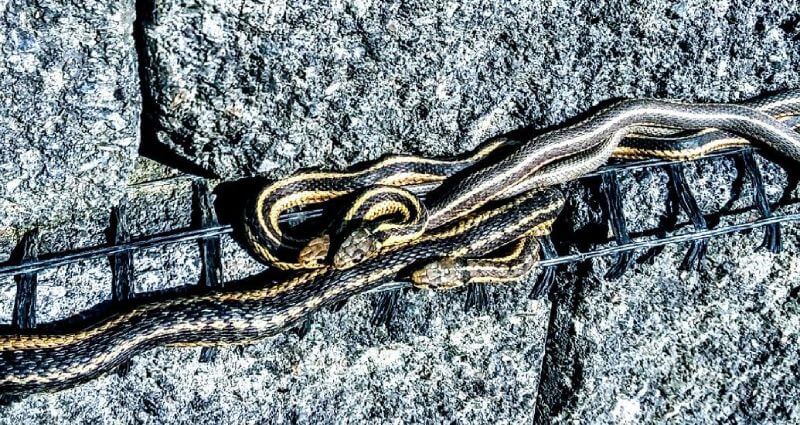
Two days ago we saw something rare…
A client had a big snake problem. Or a lot of little snake problems!
We arrived and walked to a retaining wall surrounding his pool. It was only 10am, still cold, and there were easily 10 garter snakes slithering all over his wall. Above is a pic of 3 along one block of his wall. This wall is easily over a hundred feet long!
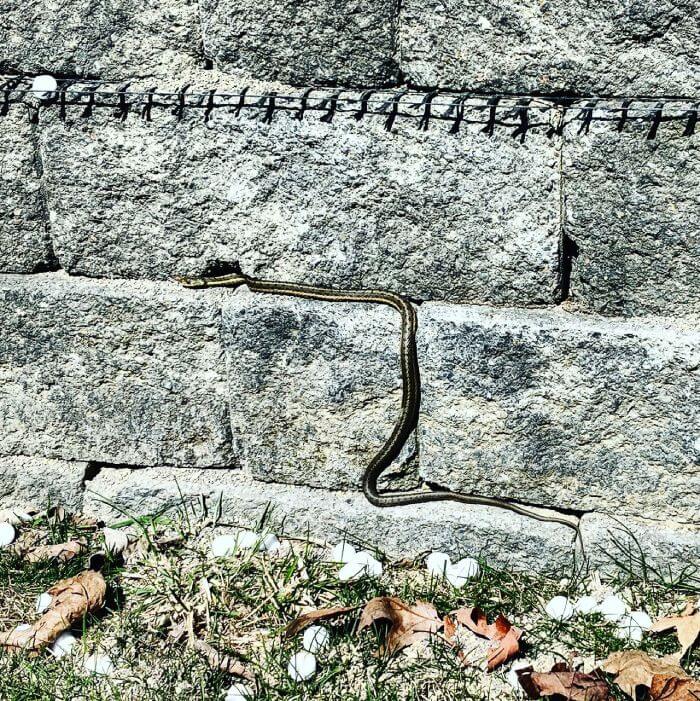
After a failed attempt to discourage the snakes using hundreds of moth balls(see above moth balls on the ground) he called Upstate Wildlife Control!
He did not want to deal with snakes while entertaining his guests. Some guests are coming this weekend, so we needed a solution to his problem and fast! Our first step will be to lower the population of the snakes by trapping. Once the population is down, we can tackle the other issue… food. The snakes want food, shelter, and water. Just like we do. We will work to control the food source and any new snakes will find his pool area less attractive.
Call Upstate Wildlife Control at (518) 487-8282 to solve a snake issue at your house.
Call or Email
Our Address
2300 West Sahara Ave, Suite 800
Las Vegas, NV 89102
Business Hours
Mon-Fri: 6:00 AM - 6:00 PM Saturday: 9:00 AM - 3:00 PM