

Mosquitoes & No‑See‑Ums in Las Vegas — How to Protect Your Home and Family
Mosquitoes & No‑See‑Ums in Las Vegas — How to Protect Your Home and Family
Mosquitoes and no‑see‑ums can turn a beautiful Las Vegas evening into an itchy nightmare. Even though our dry desert climate seems inhospitable, these pests thrive around irrigated landscapes, swimming pools and any container that holds water. Female mosquitoes need blood to lay eggs and can produce up to 300 eggs per blood meal. Eggs laid in water can develop into adults in as little as four days, so a forgotten birdbath or clogged gutter can quickly become a breeding site. Meanwhile, tiny no‑see‑ums (biting midges) deliver painful bites and are difficult to control. This guide will help you understand these pests, the diseases they can carry, and how to keep them at bay.
Mosquito Biology & Species in Las Vegas
Mosquitoes undergo four life stages: egg, larva, pupa and adult. Only females bite, because they require blood to develop eggs; both sexes feed on plant nectar. While dozens of mosquito species inhabit the Southwest, two groups matter most around Las Vegas:
- Culex quinquefasciatus (Southern House Mosquito) – A medium‑sized brown mosquito common across the southern United States. It feeds at night and is the primary vector of St. Louis encephalitis and West Nile virus. Avoid outdoor activity from dusk until dawn and wear long sleeves and pants; apply DEET‑based repellents and permethrin‑treated clothing.
- Container‑Breeding Mosquitoes (Aedes spp.) – These mosquitoes lay eggs in small amounts of water and often bite during the day. Their larvae develop in containers such as flowerpot saucers, old tires, pet bowls and clogged gutters. They can transmit diseases such as dengue, Zika and chikungunya in other parts of the world. Eliminating standing water is the best defense.
No‑See‑Ums (Biting Midges)
Biting midges (Culicoides spp.), often called no‑see‑ums, punkies or sand flies, are minute flies that cause painful, burning bites. They breed in moist soils along salt marshes, swamps and irrigated landscapes and seldom enter homes. Because their larvae develop in vast wet areas, larval control is impractical. Adults are most active at dawn and dusk. Fine‑mesh screens (16/16 or 18/14) and outdoor fans can keep them away; repellents containing DEET offer limited protection.
Mosquito Health Risks
- Disease Transmission: Culex mosquitoes are vectors of West Nile virus and St. Louis encephalitis. While cases are rare, outbreaks occur periodically in Nevada.
- Bites & Allergic Reactions: No‑see‑um bites produce welts and intense itching. Mosquito bites can cause secondary infections if scratched.
Mosquito Prevention Tips
- Eliminate Standing Water
Mosquitoes can develop in as little as a teaspoon of water. Once or twice a week, empty, scrub or treat any container that can hold water:
- Clean gutters and drain pipes.
- Dump and refill birdbaths every three day.
- Change pet water daily; store buckets and toys indoors.
- Use mosquito dunks (Bti) or keep ponds stocked with fish to eat larvae.
- Yard Maintenance
Trim vegetation and avoid over‑watering lawns; even a plant saucer can breed mosquitoes. Keep landscape drains clear of debris.
- Personal Protection
- Dress for protection: Wear long sleeves, long pants and socks when outdoors, especially at night.
- Use repellents: Apply EPA‑approved repellents containing DEET, picaridin or oil of lemon eucalyptus as directed.
- Treat clothing & gear: Permethrin‑treated clothing and gear repel mosquitoes.
- Exclusion
Repair or replace screens on windows and doors. For no‑see‑ums, use fine‑mesh screens and fans on patios.
- Use Chemicals Sparingly
Insecticides can offer temporary relief but may harm pollinators and cause resistance. Always try physical control methods first and consult a professional for targeted treatments.
Mosquitoes and no‑see‑ums are more than a nuisance; they threaten your family’s comfort and health. Fortunately, simple steps like eliminating standing water, maintaining screens and using repellents can drastically reduce bites. If buzzing pests are ruining your backyard or you suspect a breeding site you can’t eliminate, call Desert Squad Pest & Wildlife. Our experts provide inspections, integrated pest management and safe, effective treatments tailored to Las Vegas’s unique climate. Contact us today for a free consultation and enjoy your outdoor spaces again!
WE’RE PROMPT
Need same day service? Call us at 702-907-9453 before 12:00 PM, Monday through Friday!
WE’RE PROFESSIONAL
We know you’re putting a lot of trust in our hands. Our team is highly trained and trustworthy.
WE’RE PARENTS, TOO
We do our work in a way that ensures your family is kept safe before, during, and after service.
SNAKES!
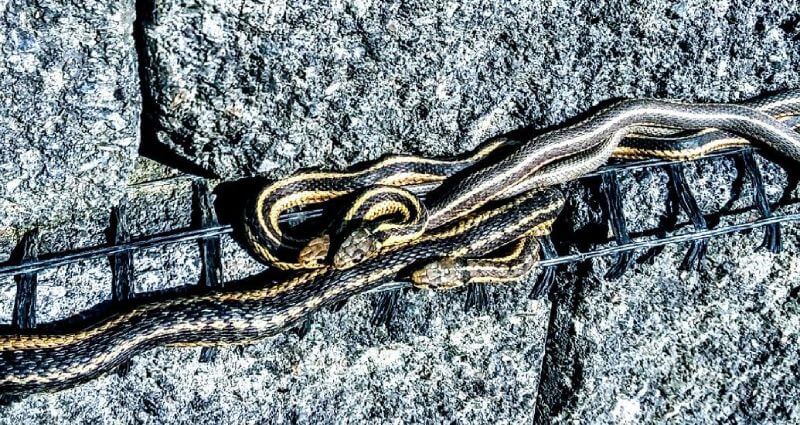
Two days ago we saw something rare…
A client had a big snake problem. Or a lot of little snake problems!
We arrived and walked to a retaining wall surrounding his pool. It was only 10am, still cold, and there were easily 10 garter snakes slithering all over his wall. Above is a pic of 3 along one block of his wall. This wall is easily over a hundred feet long!
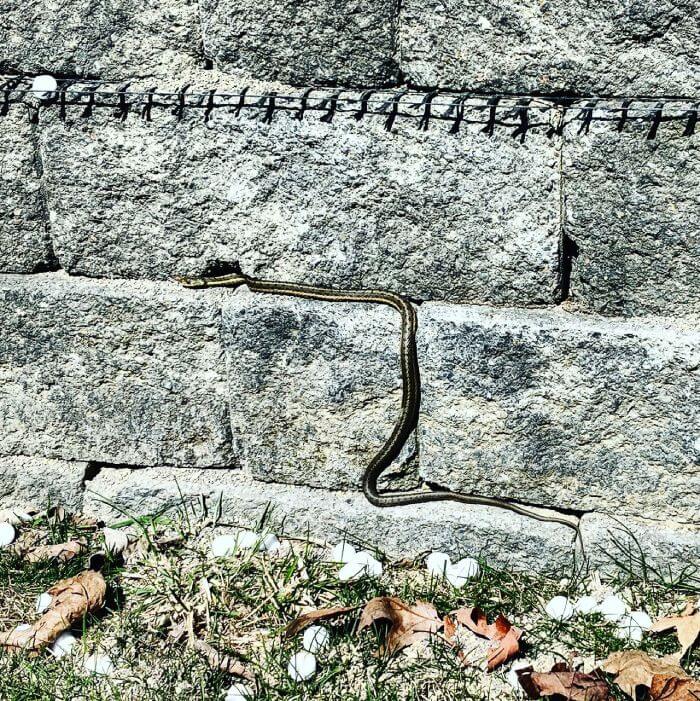
After a failed attempt to discourage the snakes using hundreds of moth balls(see above moth balls on the ground) he called Upstate Wildlife Control!
He did not want to deal with snakes while entertaining his guests. Some guests are coming this weekend, so we needed a solution to his problem and fast! Our first step will be to lower the population of the snakes by trapping. Once the population is down, we can tackle the other issue… food. The snakes want food, shelter, and water. Just like we do. We will work to control the food source and any new snakes will find his pool area less attractive.
Call Upstate Wildlife Control at (518) 487-8282 to solve a snake issue at your house.
Call or Email
Our Address
2300 West Sahara Ave, Suite 800
Las Vegas, NV 89102
Business Hours
Mon-Fri: 6:00 AM - 6:00 PM Saturday: 9:00 AM - 3:00 PM