

Pigeon Control in Las Vegas: Flock Reduction, Exclusion & Sanitization
Pigeon Control in Las Vegas — Flock Reduction, Exclusion & Sanitization
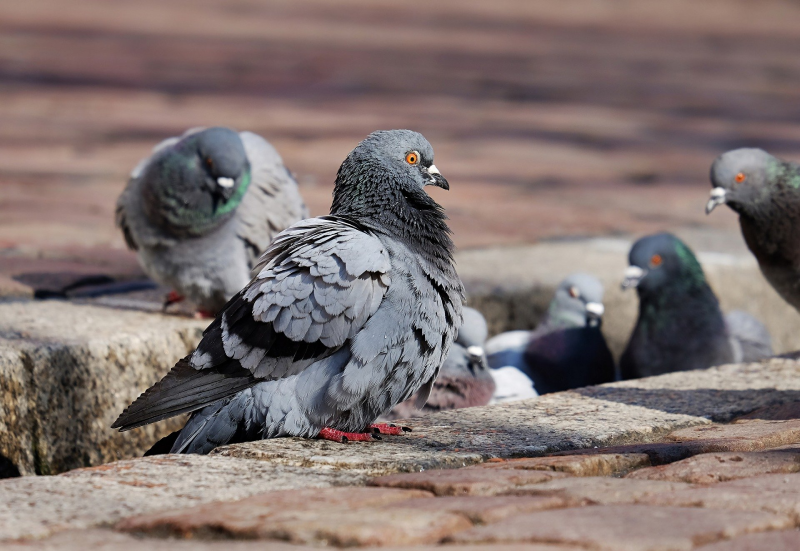
Pigeons (Columba livia) are not native to North America; they’re descendants of domesticated European rock doves that now form feral populations. Because they thrive alongside people, pigeons are common around farms, grain elevators, city parks and buildings. Their droppings are unsightly, corrosive and can transmit diseases. In Las Vegas, where rooftops, solar panels and shade structures create perfect perches, pigeon infestations can quickly get out of control. This guide explains why pigeons are a problem, the risks they pose and how Desert Squad Pest & Wildlife solves pigeon issues using humane and effective methods.
Why Pigeons Are Problematic
- Property damage & mess: Large flocks deface buildings with droppings that erode stone and metal and can kill vegetation. Nests clog drains and gutters.
- Health risks: Pigeon feces can harbor pathogens. Inhaling aerosolized dried droppings or secretions can transmit psittacosis (Chlamydia psittaci). Accumulated droppings may also support fungal growth (Cryptococcus) and other organisms. Wearing gloves, eye protection and a NIOSH‑approved respirator when cleaning droppings helps prevent infection.
- Parasites & hazards: Pigeons carry mites, fleas and ticks. Large flocks near runways create aviation hazards.
- Rapid reproduction: Pigeons breed year‑round. Females lay one or two eggs multiple times per year, and young (“squabs”) fledge at four to six weeks. Urban pigeons live around 3–4 years but produce many offspring.
Integrated Pigeon Management
Effective pigeon control requires a multifaceted approach: removing food and water sources, excluding birds from nesting and roosting sites, reducing flock size and sanitizing contaminated areas. Desert Squad’s program combines these strategies.
Pigeon Habitat Modification & Exclusion
Pigeons roost on flat surfaces such as ledges, roof peaks, solar panels and rafters. Altering or blocking these areas discourages roosting:
- Netting & Screening: Use 1‑inch (2.5 cm) UV‑stabilized polypropylene netting to cover architectural features. When stapled or clipped under rafters or solar panels, this netting excludes pigeons and can last up to 10 years.
- Ledge modifications: Changing the angle of a ledge to 45° or more with sheet metal, wood or foam prevents pigeons from perching.
- Porcupine wires (bird spikes): Stainless steel prongs mounted on a base deter pigeons from landing on sills, eaves and rooflines. They may require occasional cleaning if pigeons drop nesting material between the prongs.
- Tensioned wires & grids: Parallel strands of steel wire or monofilament line attached to L‑brackets keep birds off narrow ledges and cables. Overhead grids (1×1 to 2×2 feet) reduce activity in courtyards.
- Electric track systems: Cables embedded with dual conductors deliver a mild, pulsating shock when birds land, repelling them without harm. These systems can last around eight years on residential structures.
- Solar panel guards: Pigeons love nesting beneath solar arrays. We install solar screen mesh around panel edges to keep birds out while allowing air flow.
Flock Reduction (Trapping)
When flocks are already established, humane trapping reduces numbers. According to the Internet Center for Wildlife Damage Management, pigeons can be effectively controlled by capturing them in cage traps placed near roosting or feeding sites. Large traps hold many birds but may be cumbersome for rooftops; low‑profile traps are more portable. Key steps include:
- Prebaiting: Place corn or milo outside traps for three to four days to accustom pigeons, then move bait inside and leave four or five decoy pigeons to attract more birds.
- Care & monitoring: Check traps at least every other day and provide food and water for decoy birds. To avoid “trap shyness,” leave traps open for a few days before resetting them.
- Nest removal: Destroying nests, eggs and young every two weeks helps reduce reproduction. Wear gloves to avoid parasites; place materials in plastic bags; euthanize chicks humanely if present.
Desert Squad uses multi‑catch cage traps and prebaiting techniques to humanely capture pigeons. After removal, we relocate or dispatch birds according to local regulations.
FlockOff & Pigeon Disc
Modern technology adds powerful tools to pigeon management. Our FlockOff system generates a tuned electromagnetic pulse around rooflines and ledges, interfering with birds’ magnetic orientation. Pigeons sense the field and avoid landing—without harm. Pigeon Disc is a discrete, rotating disc with reflective surfaces and subtle movement; when installed on ledges or roofs, it deters birds from roosting by disrupting their approach.
Cleaning & Sanitization
Decades of droppings create slippery surfaces and health hazards. Desert Squad technicians:
- Wear protective clothing, gloves, eye protection and disposable NIOSH‑approved respirator.
- Wet down droppings to minimize dust, scrape or shovel them into heavy plastic bags and seal them for disposal.
- Disinfect affected surfaces to kill lingering pathogens.
- Remove nests, feathers and debris and treat the area for mites and parasites.
Pigeons may seem harmless, but feral populations can quickly damage property and pose health risks. Effective control requires a combination of habitat modification, humane flock reduction, modern deterrent technologies and thorough cleaning. Desert Squad Pest & Wildlife offers a comprehensive pigeon control program that starts with inspection and ends with a bird‑free, sanitized structure. Contact us today for a free consultation and let us keep your home or business pigeon‑free.
WE’RE PROMPT
Need same day service? Call us at 702-907-9453 before 12:00 PM, Monday through Friday!
WE’RE PROFESSIONAL
We know you’re putting a lot of trust in our hands. Our team is highly trained and trustworthy.
WE’RE PARENTS, TOO
We do our work in a way that ensures your family is kept safe before, during, and after service.