

Spider Control Las Vegas: 9 Expert Prevention Tips
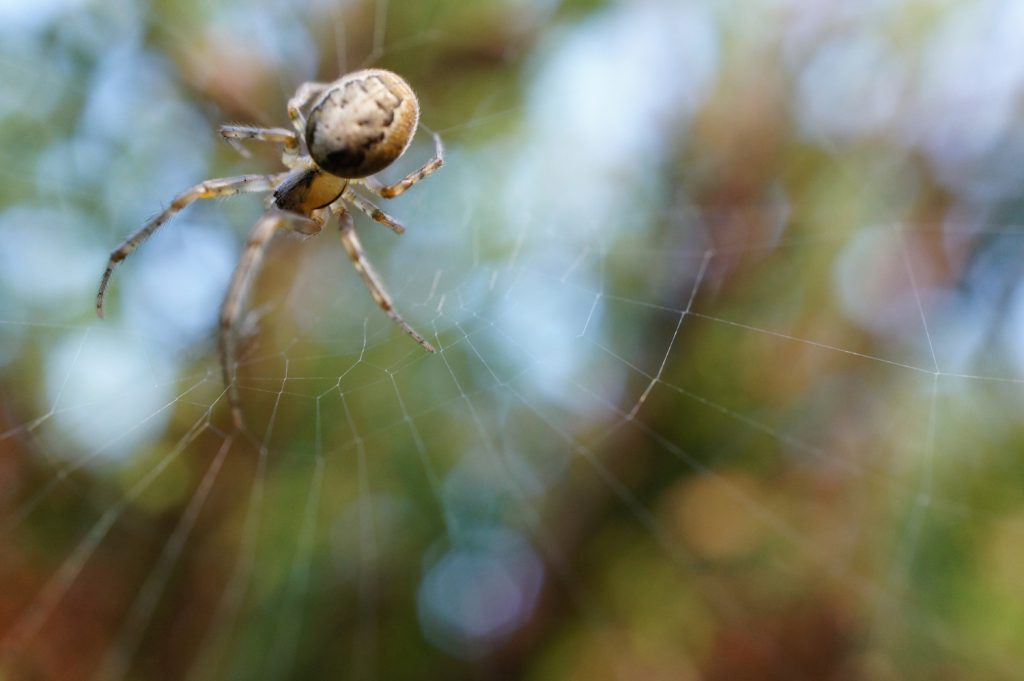
Spider Control in Las Vegas: How to Keep Spiders Out of Your Home
Las Vegas may be known for its sunshine and desert scenery, but Southern Nevada is also home to several types of spiders. Most spiders are harmless and can even be beneficial because they feed on flies, mosquitoes, cockroaches, and other insects. However, spiders can become an unwelcome problem when they begin building webs, laying egg sacs, or appearing regularly inside your home.
Some species, including black widow and recluse spiders, may also present a health concern. Understanding which spiders are common in Las Vegas, why they enter homes, and how to prevent them can help you protect your family and property.
This guide covers common Las Vegas spiders, practical prevention methods, potential bite risks, and when to contact a professional for spider control in Las Vegas.
Common Spiders Found in Las Vegas
Las Vegas is home to many different spider species. Although homeowners may refer to almost any spider as dangerous, most species prefer to avoid people and rarely bite unless they are trapped, handled, or threatened.
Common House Spiders
Common house spiders are usually small and brown, tan, yellowish, or gray. They build irregular webs in quiet areas such as:
- Ceiling corners
- Garages
- Closets
- Basements
- Storage rooms
- Window frames
These spiders are generally harmless, but recurring webs may indicate that your home has enough insect activity to support a growing spider population.
Cellar Spiders and Daddy Longlegs
Cellar spiders have small bodies and very long, thin legs. They frequently build loose webs in dark, undisturbed areas. They are often confused with harvestmen, which are also commonly called daddy longlegs but are not true spiders.
Cellar spiders are not considered medically significant to people. The popular claim that daddy longlegs have extremely powerful venom but cannot bite humans is a myth.
Wolf Spiders
Wolf spiders are active hunters that do not rely on webs to catch prey. They are typically brown or gray, have sturdy bodies, and may appear larger or hairier than common house spiders.
Because wolf spiders hunt insects at night, they may wander inside through gaps beneath doors, damaged screens, or cracks in the foundation. Their appearance can be alarming, but they are not generally considered dangerous. A defensive bite may cause temporary pain, swelling, or irritation.
Black Widow Spiders
Adult female black widow spiders are typically shiny black and may have a red or orange hourglass-shaped marking underneath the abdomen. They prefer dark, protected spaces where their webs are unlikely to be disturbed.
Common black widow hiding places include:
- Garages and sheds
- Woodpiles
- Outdoor furniture
- Irrigation and utility boxes
- Cluttered storage areas
- Under rocks, equipment, and debris
Black widow venom can cause significant symptoms, including intense pain, muscle cramping, sweating, nausea, or weakness. Anyone who suspects a black widow bite should contact a healthcare professional or poison control center for guidance.
Recluse Spiders
Recluse spiders are usually light to medium brown and prefer quiet, undisturbed locations. Several recluse species occur in the Southwest, but accurately identifying them can be difficult. Many harmless brown spiders are mistakenly identified as brown recluses.
Recluse spiders may hide in storage boxes, closets, woodpiles, sheds, or other areas that remain undisturbed for long periods. Their bites are uncommon, but some can cause significant skin reactions. Seek medical attention if a suspected spider bite becomes increasingly painful, swollen, blistered, discolored, or slow to heal.
Sac Spiders
Sac spiders are small, pale spiders that create silken resting sacs rather than large capture webs. They may be found near ceilings, windows, walls, landscaping, or outdoor lighting.
They can bite when trapped against the skin, but their bites are not usually considered medically serious. Local pain, redness, and swelling may occur.
Desert Tarantulas
Desert tarantulas are large, hairy spiders that may occasionally be seen crossing roads, yards, and desert areas, particularly during mating season. Although their size can be intimidating, tarantulas are generally docile and prefer to retreat rather than confront people.
They should not be handled. In addition to biting defensively, some tarantulas can release irritating hairs that may affect the skin or eyes.
Why Spiders Enter Las Vegas Homes
Spiders do not usually enter homes because they want to interact with people. They come indoors because the property provides food, shelter, moisture, or protection from outdoor conditions.
They Are Following Insects
Spiders feed on other pests. A home with flies, moths, ants, mosquitoes, cockroaches, or other insects naturally becomes more attractive to spiders.
Outdoor lights can contribute to the problem by attracting flying insects around doors, windows, patios, and garages. Spiders then build webs near these reliable food sources.
They Are Looking for Shelter
Garages, attics, closets, storage boxes, sheds, and cluttered rooms provide the dark, quiet conditions many spiders prefer. Areas that are rarely cleaned or disturbed can become ideal places for spiders to build webs and produce egg sacs.
They Are Attracted to Moisture and Landscaping
Spiders themselves may not require large amounts of water, but irrigated landscaping and damp areas attract the insects they eat. Leaking faucets, overwatered plants, standing water, and poorly ventilated bathrooms can increase pest activity around a home.
Seasonal Activity Increases
Spider sightings may increase during periods of changing temperatures or increased insect activity. In Las Vegas, spring and fall often bring more noticeable pest movement as spiders search for mates, prey, and protected nesting areas.
How to Prevent Spiders in Your Las Vegas Home
The best spider prevention strategy is to make your home less attractive to both spiders and the insects they feed on.
1. Reduce Insect Activity Around Outdoor Lights
Turn off unnecessary exterior lights when possible. Consider using warm-colored or yellow bulbs that are generally less attractive to many flying insects. Move lights away from frequently used doors and windows when the property layout allows.
2. Seal Cracks and Entry Points
Inspect the exterior of your home for openings around doors, windows, vents, utility lines, pipes, and the foundation. Use appropriate caulk, screening, weatherstripping, or door sweeps to close potential entry points.
3. Repair Damaged Screens
Replace torn window and door screens. Confirm that screens fit securely and do not leave gaps around the edges.
4. Remove Webs and Egg Sacs
Regularly remove webs from ceilings, corners, eaves, garages, patios, and storage areas. Vacuum indoor webs and egg sacs, then empty the vacuum outdoors into a sealed trash bag.
Removing visible spiders without removing egg sacs may allow the infestation to continue.
5. Reduce Indoor and Outdoor Clutter
Spiders thrive in places that remain undisturbed. Reduce piles of cardboard, clothing, firewood, debris, and unused equipment. Store belongings in sealed plastic containers rather than open cardboard boxes whenever practical.
6. Control Moisture
Repair plumbing leaks, improve ventilation, and avoid overwatering landscaping. Remove standing water and correct drainage issues that encourage insects to gather around your property.
7. Keep Landscaping Away from the Structure
Trim shrubs, trees, and groundcover so they do not touch the house. Move firewood, storage materials, and debris away from exterior walls. This creates a less favorable pathway for spiders and other pests.
8. Reduce the Spider Food Supply
Keep food sealed, clean crumbs and spills, secure trash containers, and address existing insect activity. Reducing the number of insects inside and around your home makes the property less appealing to spiders.
9. Inspect Stored Items Before Bringing Them Inside
Check boxes, outdoor furniture, holiday decorations, gardening supplies, and equipment before moving them indoors. Wear gloves when handling materials that have been stored in a garage, shed, or outdoor area.
When Should You Worry About a Spider Bite?
Most spider encounters do not result in a bite. When bites do occur, many cause only temporary redness, swelling, itching, or discomfort.
However, you should seek medical guidance when:
- You believe the spider may have been a black widow or recluse
- Pain becomes severe or spreads beyond the bite area
- You experience muscle cramps, weakness, nausea, sweating, or difficulty breathing
- The bite develops a blister, open sore, or unusual discoloration
- Redness or swelling continues to worsen
- The person bitten is a young child, older adult, or has a serious health condition
Do not attempt to capture a spider in a way that could cause another bite. A clear photograph taken from a safe distance may help with identification.
Why DIY Spider Treatments May Not Solve the Problem
Store-bought sprays and sticky traps may kill individual spiders, but they often fail to address the reason spiders are present. Recurring spider activity frequently indicates an underlying insect problem, accessible entry points, hidden egg sacs, or favorable nesting conditions.
Spraying visible spiders alone may provide temporary relief without reaching spiders inside wall voids, garages, storage areas, landscaping, or other protected spaces.
A comprehensive treatment should address both the spiders and the pest activity supporting them.
Professional Spider Control in Las Vegas
Professional spider control in Las Vegas begins with a careful property inspection. A trained pest control technician can identify areas of activity, locate webs and egg sacs, evaluate potential entry points, and determine which insects may be attracting spiders.
A spider control program may include:
- Identification of spider species and high-activity areas
- Removal of accessible webs and egg sacs
- Treatment of cracks, crevices, and spider harborages
- Control of insects that serve as a food source
- Exterior treatments around entry points and nesting areas
- Recommendations for sealing and long-term prevention
- Follow-up treatments based on the severity of the activity
Because every property is different, the most effective treatment plan should be based on the home’s layout, landscaping, pest pressure, and the types of spiders present.
Learn more about our professional spider control services or explore our complete Las Vegas pest control solutions.
Frequently Asked Questions About Las Vegas Spiders
What spiders are commonly found in Las Vegas?
Common Las Vegas spiders include house spiders, cellar spiders, wolf spiders, black widows, sac spiders, recluse species, and desert tarantulas. The species found on a property can vary based on landscaping, moisture, insect activity, and available shelter.
Are black widow spiders common in Las Vegas?
Black widow spiders are found in Southern Nevada and may establish webs in garages, sheds, utility boxes, woodpiles, outdoor furniture, and other protected spaces. Homeowners should use caution when reaching into dark or cluttered areas.
Why am I suddenly seeing spiders in my house?
A sudden increase in spiders may be caused by seasonal activity, changes in outdoor temperatures, an increase in insects, disturbed nesting areas, or accessible gaps around the home.
Does pest control get rid of spiders?
Professional pest control can significantly reduce spider activity by removing webs and egg sacs, treating spider harborages, reducing insect prey, and addressing entry points. Ongoing prevention may be necessary in areas with continuous pest pressure.
How can I keep black widows out of my yard?
Reduce clutter, remove webs, keep firewood away from the house, trim landscaping, seal exterior gaps, manage insect activity, and wear gloves when moving outdoor items. Professional exterior treatments can provide additional protection.
Should I kill spiders in my home?
Most spiders are harmless and can be removed using a container when it is safe to do so. Do not attempt to handle a spider you suspect may be venomous. Repeated sightings or the presence of egg sacs may require professional treatment.
Schedule Spider Control with Desert Squad Pest & Wildlife
Do not let eight-legged invaders make you uncomfortable in your own home. Desert Squad Pest & Wildlife provides professional spider inspections, treatments, web removal, and prevention solutions for Las Vegas homeowners.
Our technicians will evaluate the activity, identify potential hiding places, address the insects spiders feed on, and develop a treatment plan designed for your property.
Contact Desert Squad Pest & Wildlife today to request a free inspection and learn more about professional spider control in Las Vegas.
WE’RE PROMPT
Need same day service? Call us at 702-907-9453 before 12:00 PM, Monday through Friday!
WE’RE PROFESSIONAL
We know you’re putting a lot of trust in our hands. Our team is highly trained and trustworthy.
WE’RE PARENTS, TOO
We do our work in a way that ensures your family is kept safe before, during, and after service.