

Wasps & Bees in Las Vegas - Understanding, Preventing and Managing Stinging Insects
Wasps & Bees in Las Vegas – Understanding, Preventing and Managing Stinging Insects
Summer and early fall in Las Vegas bring more than just heat—this is prime season for wasps and bees. While both groups belong to the order Hymenoptera, they behave and feed differently. Social species such as yellowjackets, hornets, paper wasps, honey bees and bumble bees share nests and will defend them if disturbed. However, most will ignore people unless their nests are in high‑traffic areas. Understanding these insects helps you keep your family safe while protecting important pollinators.
Wasps vs. Bees: Key Differences
- Wasps are slender, have narrow waists and relatively smooth bodies. They eat other insects (caterpillars, flies, crickets) and sweet liquids. Social wasps include:
- Yellowjackets and Baldfaced Hornets: About ⅜–⅝ inch long with bright yellow and black markings; wings fold into a narrow strip when at rest. They make nests from chewed wood pulp, usually in old rodent burrows or wall cavities. Late summer and fall, they become aggressive scavengers around food and drinks.
- Paper Wasps: Slender with long legs that dangle when flying, often brown with yellow markings. Their nests consist of a single exposed comb under eaves or overhangs and typically contain fewer than 100 wasps. They capture caterpillars and other insects for their larvae and feed on nectar and honeydew.
- Bees are generally fuzzier and more robust. They feed exclusively on nectar and pollen and are vital pollinators. Social bees include:
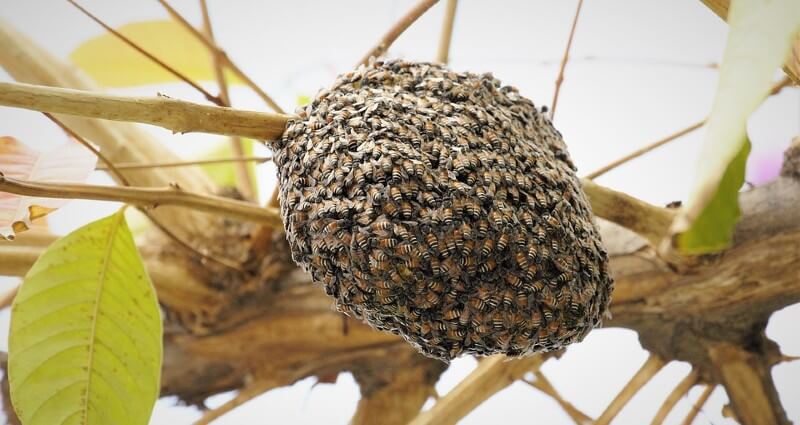
- Honey Bees: About ½ inch long, golden brown with black stripes and covered in fine hairs. They make vertical wax combs and usually live in managed hives. They occasionally nest in tree cavities or building voids.
- Bumble Bees: Fuzzy and round, ½ to 1 inch long, typically black and yellow. They nest underground in deserted rodent burrows, compost piles or under objects. Bumble bees feed solely on nectar and pollen and are generally non‑aggressive unless provoked.
Life Cycles & Seasonal Behavior
Wasps and bees undergo complete metamorphosis: egg, larva, pupa and adult. Most wasp nests last only one season; new queens overwinter and start fresh nests each spring. Honey bee colonies are perennial and survive winters by clustering and consuming stored honey. Bumble bee nests also last one season; queens hibernate and build new colonies the following year.
Health Risks & Allergies
Stings are painful because venom contains chemicals that cause burning and can trigger allergic reactions. Only a small percentage of people (≈0.5–4%) are allergic to social Hymenoptera venoms, but reactions can be severe. An estimated 40–50 deaths per year in the U.S. result from anaphylaxis due to stings. Seek immediate medical attention if swelling, difficulty breathing or systemic symptoms occur.
When to Control Nests
Wasps generally ignore people unless their nest is disturbed. If a nest is away from human activity, it’s best to leave it alone. If it’s near walkways, doorways or play areas, consider removal:
- Treat at night or early morning when wasps are less active.
- Wear protective clothing and repeat treatment if necessary.
- Ground nests: Apply insecticide dust containing permethrin into the entrance at night; avoid pouring liquid insecticide, which may not reach the nest.
- Exposed paper wasp nests: Use a wasp and hornet aerosol directed at the comb.
- Hidden nests: Nests inside walls or attics are best handled by pest control professionals.
- Bee swarms or colonies: If honey bees or bumble bees are inside a structure, contact a local beekeeper for removal; preserve colonies when possible.
Bee and Wasp Prevention Tips
- Discourage nesting: Repair loose siding, seal cracks and screen vents. Regularly inspect eaves, sheds and attics.
- Reduce attractions: Keep outdoor food covered; seal trash cans; remove fallen fruit; clean up sugary spills.
- Protect pollinators: Avoid unnecessary insecticide use. Honey bee and bumble bee nests provide valuable ecosystem services and should be preserved.
- Educate family: Teach children to watch for nests and stay calm around flying insects.
Wasps and bees play vital roles in nature, but nests near living spaces can pose risks. Desert Squad Pest & Wildlife provides expert identification and management—targeting problem wasps while safeguarding beneficial bees. If you have a nest in a high‑traffic area or are unsure whether you’re seeing a wasp or a bee, contact us for a free inspection. Our certified technicians will safely remove or relocate nests and help you prevent future problems.
WE’RE PROMPT
Need same day service? Call us at 702-907-9453 before 12:00 PM, Monday through Friday!
WE’RE PROFESSIONAL
We know you’re putting a lot of trust in our hands. Our team is highly trained and trustworthy.
WE’RE PARENTS, TOO
We do our work in a way that ensures your family is kept safe before, during, and after service.