

House Mice & Norway Rats in Las Vegas: Signs and Prevention
House Mice and Norway Rats in Las Vegas: Signs, Risks & Prevention
Rodents are among the most persistent pests found in urban environments. In the Las Vegas Valley, house mice and Norway rats can become serious problems when they find reliable access to food, water, and shelter.
These adaptable animals may contaminate food, damage insulation, chew through wiring, and leave droppings and urine in hidden areas. Because mice and rats are usually most active at night, an infestation can become established before homeowners realize how much activity is present.
Several rodent species can affect Southern Nevada properties, including roof rats. This guide focuses specifically on house mice and Norway rats in Las Vegas, how to tell them apart, the warning signs they leave behind, and the steps you can take to prevent an infestation.
How to Identify House Mice in Las Vegas
House mice are small rodents with slender bodies, pointed noses, relatively large ears, and small dark eyes. Their fur is usually light brown, gray, or a combination of the two. Including the tail, adults typically measure about five to seven inches long.
Although they are small, house mice are excellent climbers and jumpers. They can move through walls, cabinets, storage areas, and attics in search of food and nesting material. A mouse may enter a building through a gap approximately 1/4 inch wide, making even small openings around doors, pipes, utility lines, and foundations potential entry points.
House mice generally remain fairly close to their nests when food and water are available. Common nesting areas include:
- Wall voids
- Kitchen cabinets and pantries
- Behind refrigerators, stoves, and other appliances
- Garages and storage rooms
- Attics and insulation
- Cardboard boxes and stored furniture
House mice reproduce quickly, which means a small problem can develop into a larger infestation in a relatively short period of time.
How to Identify Norway Rats in Las Vegas
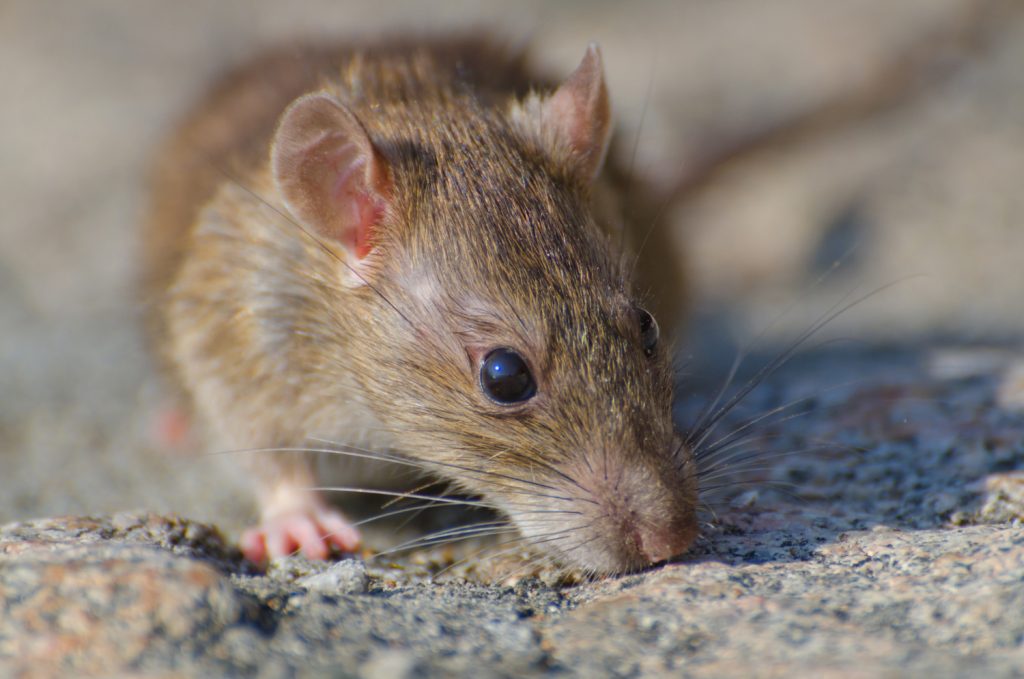
Norway rats are much larger and heavier than house mice. They have stocky bodies, blunt noses, relatively small ears, and thick tails that are usually shorter than the combined length of the head and body.
Norway rats are strong burrowers and often nest near ground level. They may create burrows beneath foundations, concrete slabs, landscaping, debris, sheds, woodpiles, or other protected areas.
These rats are primarily nocturnal and tend to follow established pathways between their nests and food sources. They have poor eyesight but strong senses of smell, hearing, touch, and taste. Norway rats are also cautious around unfamiliar objects, which is why they may avoid newly placed traps at first.
Common Norway rat nesting and activity areas include:
- Burrows along foundations
- Under sheds, decks, and concrete slabs
- Behind stored materials and debris
- Inside lower wall voids
- Near garbage storage areas
- Around landscaping and irrigation systems
House Mice vs. Norway Rats: Key Differences
Correctly identifying the rodent affecting your property is important because mice and rats differ in size, behavior, nesting preferences, and response to traps.
| Characteristic | House Mice | Norway Rats |
|---|---|---|
| Body size | Small and slender | Large, heavy, and stocky |
| Nose shape | Pointed | Blunt |
| Ears | Relatively large | Relatively small |
| Droppings | Small and usually pointed at the ends | Larger and thicker |
| Entry opening | Approximately 1/4 inch or larger | Approximately 1/2 inch or larger |
| Typical nesting area | Walls, cabinets, boxes, insulation, and appliances | Burrows, foundations, slabs, debris, and lower wall voids |
| Response to new objects | Often curious | Usually cautious |
If you are unsure whether you have mice or rats, a professional inspection can help identify the species by examining droppings, gnaw marks, tracks, nesting material, rub marks, and entry points.
Signs of a Mouse or Rat Infestation
House mice and Norway rats are secretive and usually most active after dark. Homeowners often discover evidence of an infestation before seeing a live rodent.
Rodent Droppings
Droppings are one of the most recognizable signs of rodent activity. Mouse droppings are small and typically pointed at one or both ends. Norway rat droppings are larger, thicker, and more noticeable.
Droppings may be found:
- Inside cabinets and drawers
- Along walls and baseboards
- Behind appliances
- Inside garages and storage rooms
- Near pet food or pantry items
- Around nesting and feeding areas
Gnaw Marks and Damaged Materials
Rodents must gnaw regularly because their front teeth continuously grow. Look for chewing damage on food packaging, cardboard boxes, baseboards, wood, plastic containers, insulation, flexible pipes, and electrical wiring.
Fresh gnaw marks are often lighter in color than older damage and may indicate current activity.
Grease and Rub Marks
Norway rats often travel along the same routes repeatedly. Oils and dirt from their fur may leave dark, greasy rub marks on walls, pipes, beams, or the edges of entry points.
Nests and Burrows
House mice build nests from shredded paper, fabric, insulation, cardboard, and other soft materials. Norway rats are more likely to create burrows near foundations, landscaping, debris, sheds, or concrete slabs.
Scratching and Scurrying Sounds
Scratching, squeaking, or scurrying sounds inside walls, ceilings, cabinets, or storage areas may indicate rodent activity. These noises are often easiest to hear at night when the home is quiet.
Musky or Unusual Odors
An established mouse infestation may create a stale or musky odor. A stronger unexplained smell may indicate that a rodent has died inside a wall, cabinet, appliance, attic, or another inaccessible space.
Tracks and Tail Marks
Rodent footprints and tail marks may appear in dusty garages, storage rooms, utility areas, or other undisturbed locations.
Daytime Sightings
Mice and rats are generally nocturnal. Seeing a rodent during the day can suggest increased competition for food, a disturbed nesting area, or a larger infestation. However, a daytime sighting alone does not confirm how severe the problem is.
Why House Mice and Norway Rats Enter Las Vegas Properties
Las Vegas homes and businesses can provide rodents with the three things they need most: food, water, and shelter. Extreme outdoor temperatures, construction, landscaping changes, and limited natural resources may also push rodents toward buildings.
Food Sources
House mice can survive on very small amounts of food. Norway rats require more, but both species are attracted to easily accessible food sources, including:
- Unsealed pantry products
- Pet food and bird seed
- Crumbs and grease beneath appliances
- Garbage and recycling
- Outdoor grills
- Fruit, nuts, or vegetables from landscaping
- Animal feed
Water Sources
Leaking plumbing, dripping faucets, irrigation systems, pet bowls, plant saucers, air-conditioning condensation, and standing water can provide rodents with moisture.
Shelter and Nesting Areas
Wall voids, garages, sheds, cabinets, boxes, clutter, insulation, woodpiles, debris, and protected areas beneath slabs can provide nesting space and protection from weather and predators.
Easy Entry Points
Rodents may enter through openings around doors, pipes, vents, utility lines, garage doors, foundations, rooflines, and air-conditioning lines. Because mice need very little space, small gaps that appear insignificant can still allow entry.
Health Risks Associated With House Mice and Norway Rats
Rodents may contaminate food, counters, cabinets, storage areas, and other surfaces with droppings, urine, saliva, and nesting material. Exposure may occur through direct contact, contaminated food, or dust disturbed during improper cleanup.
Mice and rats can be associated with illnesses such as salmonellosis, leptospirosis, and lymphocytic choriomeningitis. Rodent allergens may also contribute to allergy and asthma symptoms in sensitive individuals.
Not every rodent carries disease, but droppings, urine, and nesting materials should always be treated carefully.
Property Damage Caused by Mice and Rats
Rodent infestations can also cause expensive damage to homes and businesses. Potential damage includes:
- Chewed electrical wiring
- Damaged insulation
- Contaminated storage areas
- Gnawed wood, drywall, and baseboards
- Damaged food packaging and inventory
- Burrows near foundations and landscaping
- Damage to flexible plumbing or irrigation lines
- Odors and stains from urine or dead rodents
Chewed electrical wiring can create a potential fire hazard, making early detection and control especially important.
How to Prevent House Mice and Norway Rats
Effective rodent prevention requires more than removing the animals you see. Long-term control combines sanitation, exclusion, moisture management, trapping, and ongoing monitoring.
1. Seal Rodent Entry Points
Inspect the exterior of your home from the foundation to the roofline. Pay close attention to openings around:
- Plumbing and utility penetrations
- Exterior doors and garage doors
- Windows and screens
- Vents and attic openings
- Air-conditioning lines
- Foundations and expansion joints
- Eaves, soffits, and rooflines
Seal openings with durable, rodent-resistant materials such as metal mesh, hardware cloth, sheet metal, mortar, or concrete. Expanding foam should not be used by itself because mice and rats can chew through it.
2. Install Door Sweeps
Exterior doors and garage doors should close tightly. Install durable door sweeps and replace damaged weatherstripping to help prevent rodents from squeezing underneath.
3. Store Food in Rodent-Resistant Containers
Transfer grains, cereals, pet food, bird seed, and other vulnerable products into containers with secure lids. Avoid leaving pet food out overnight.
4. Keep Kitchens and Storage Areas Clean
Clean crumbs, spills, and grease promptly. Regularly clean under refrigerators, stoves, shelving, and other areas where food debris can accumulate.
5. Secure Trash and Recycling
Use trash containers with tight-fitting lids. Clean food residue from recycling and keep outdoor garbage away from doors whenever possible.
6. Eliminate Water Sources
Repair leaks, correct drainage issues, empty unnecessary standing water, and monitor condensation around plumbing and air-conditioning equipment.
7. Reduce Clutter
Remove unnecessary cardboard, paper, fabric, and other nesting materials. Store belongings off the floor and use sealed plastic containers when practical.
8. Maintain Landscaping
Remove debris, trim vegetation away from the structure, and avoid allowing dense groundcover or stacked materials to create protected hiding places near the foundation.
9. Inspect Stored Items
Check boxes, outdoor equipment, decorations, and stored furniture before moving them indoors. Rodents may nest inside items that have remained undisturbed.
Using Traps for House Mice and Norway Rats
Trapping is often the preferred method for controlling rodents indoors because it allows the animal to be removed and helps confirm where activity is occurring.
For better results:
- Use enough traps to cover all active areas
- Place traps along walls and known travel routes
- Position the trigger end toward the wall
- Place traps behind appliances and stored objects
- Keep traps away from children and pets
- Inspect traps regularly
- Continue trapping until signs of activity stop
Peanut butter is commonly used as bait, but a food the rodents are already eating may work better. Nesting materials such as cotton or dental floss can sometimes be useful when food is readily available.
Norway rats may initially avoid newly placed traps. In some cases, leaving baited traps unset for a short period can help them become accustomed to the new objects before the traps are activated.
Should You Use Rodent Poison?
Rodenticides can be hazardous when they are misused or accessible to children, pets, or wildlife. All product labels must be followed exactly, and bait should never be scattered loosely around a property.
Poison can also create secondary problems. A rodent may die inside a wall, cabinet, attic, or another inaccessible area, resulting in odors and insect activity. Wildlife and pets may also be harmed through direct access to bait or exposure to poisoned rodents.
Rodenticides are best used as one part of a carefully designed control plan rather than the only solution. Professional application may be appropriate when sanitation, exclusion, and trapping are not enough.
How to Clean Up Rodent Droppings Safely
Do not sweep or vacuum dry rodent droppings, urine, or nesting material. Doing so can disturb contaminated dust and release particles into the air.
- Ventilate the area when it is safe to do so.
- Wear disposable gloves.
- Thoroughly wet droppings and contaminated materials with an appropriate disinfectant.
- Allow the disinfectant to remain on the surface according to the label directions.
- Use disposable paper towels to collect the waste.
- Place the waste in a sealed bag before disposal.
- Disinfect the surrounding surface.
- Remove gloves and wash your hands thoroughly.
Large infestations, heavily contaminated areas, or rodent activity involving insulation or HVAC systems may require professional cleanup.
Why DIY Rodent Control May Not Solve the Problem
Catching one mouse or rat does not necessarily mean the infestation has ended. Additional rodents, hidden nests, or unsealed entry points may still remain.
Common reasons do-it-yourself control fails include:
- Using too few traps
- Placing traps away from active travel routes
- Failing to identify the rodent species correctly
- Sealing only the most obvious opening
- Leaving food, water, or clutter available
- Overlooking burrows or hidden nesting sites
- Using bait without correcting the source of the infestation
Successful rodent control requires both removal and prevention.
Professional Rodent Control in Las Vegas
If you are seeing signs of house mice or Norway rats, a professional inspection can help determine where the rodents are nesting, how they are entering, and which treatment methods are most appropriate.
A comprehensive rodent-control plan may include:
- Interior and exterior inspections
- Identification of the rodent species
- Strategic trap placement
- Protected bait stations when appropriate
- Identification and sealing of entry points
- Removal of accessible nesting materials
- Sanitation and landscaping recommendations
- Follow-up monitoring
Learn more about our professional rodent control services or explore our complete Las Vegas pest control solutions.
Frequently Asked Questions About House Mice and Norway Rats
How can I tell whether I have house mice or Norway rats?
House mice are much smaller, have pointed noses and relatively large ears, and leave small droppings. Norway rats are larger and stockier, have blunt noses, and leave larger droppings. Their nesting locations also differ, with house mice often nesting inside structures and Norway rats frequently burrowing near ground level.
How do house mice get into Las Vegas homes?
House mice can enter through openings approximately 1/4 inch wide. Common entry points include gaps beneath doors, utility penetrations, vents, garage doors, foundations, and openings around plumbing or air-conditioning lines.
Where do Norway rats usually nest?
Norway rats commonly create burrows near foundations, landscaping, debris, sheds, and concrete slabs. They may also enter lower wall voids or crawl spaces when access is available.
Does seeing one mouse mean there are more?
Not always, but mice are secretive and reproduce quickly. One sighting should prompt an inspection for droppings, gnaw marks, nesting materials, food damage, and possible entry points.
What attracts mice and rats to a home?
Rodents are attracted by accessible food, pet food, garbage, water, clutter, nesting materials, and openings that lead to protected indoor spaces.
Can I seal rodent holes with expanding foam?
Expanding foam should not be used as the only exclusion material because rodents can chew through it. Openings should be reinforced with metal or another durable, rodent-resistant material.
Will rodent poison make mice or rats die inside my walls?
It is possible. After consuming bait, a rodent may die in an inaccessible area and create an odor. This is one reason rodenticides should be used carefully and as part of a broader control strategy.
When should I call a professional?
Consider professional help if you continue to see droppings, hear activity inside walls, find multiple entry points, discover extensive damage, or cannot eliminate the infestation with trapping and sanitation.
Schedule a Rodent Inspection With Desert Squad Pest & Wildlife
House mice and Norway rats may be small, but they can create significant sanitation concerns and property damage. Removing individual rodents is only one part of the solution. Effective control also requires identifying the species, correcting attractants, and sealing the openings that allowed them inside.
Desert Squad Pest & Wildlife provides professional rodent inspections and customized control solutions for homes and businesses throughout the Las Vegas area.
Contact Desert Squad Pest & Wildlife today to schedule a free rodent consultation and protect your property from house mice and Norway rats.
WE’RE PROMPT
Need same day service? Call us at 702-907-9453 before 12:00 PM, Monday through Friday!
WE’RE PROFESSIONAL
We know you’re putting a lot of trust in our hands. Our team is highly trained and trustworthy.
WE’RE PARENTS, TOO
We do our work in a way that ensures your family is kept safe before, during, and after service.